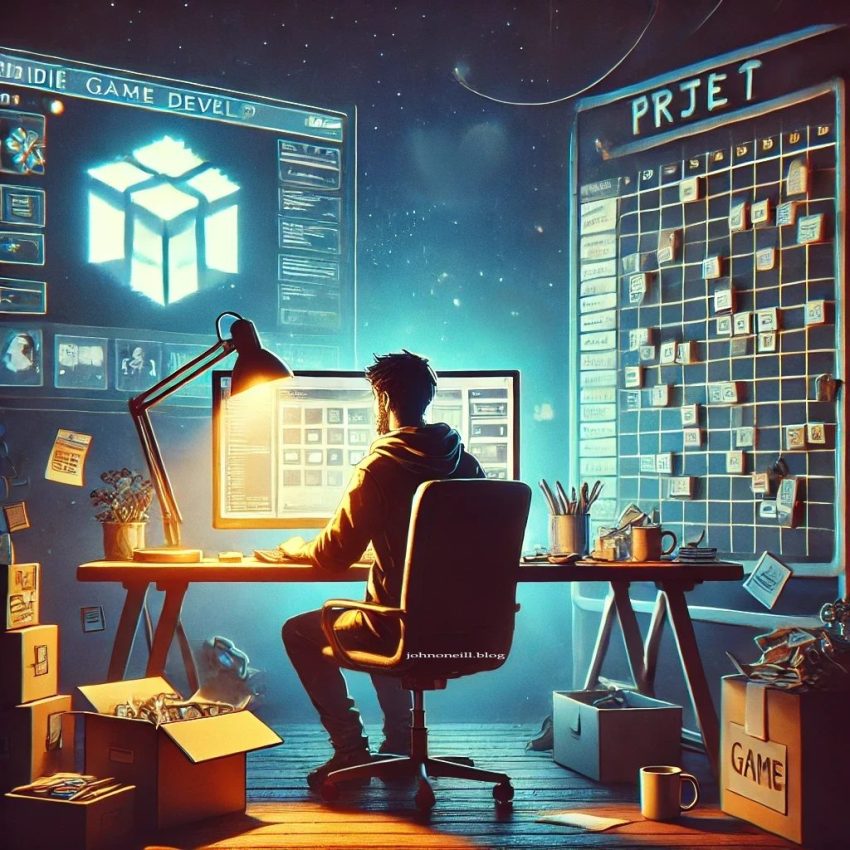
Game development has been a lifelong dream of mine—a chance to bring ideas to life and create experiences that others can enjoy. My journey began in 1983 when I bought my first computer, a Commadore 64, with the singular goal of making video games. However, pursuing this dream solo has proven to be far more challenging than I ever imagined. The constantly evolving technology often makes it feel like navigating an uncharted wilderness without a clear path. Yet, these challenges have become invaluable lessons, teaching me resilience, sparking creativity, and revealing the profound rewards of perseverance.
The Emotional Journey
Working solo often feels like a rollercoaster of emotions. Some days, the excitement of making progress fills me with pride, but there’s no one to share the joy with. Other days, I catch myself staring at the screen, questioning if all this effort is worth it. Self-doubt can feel suffocating, and life’s interruptions can derail passions, leaving dreams on pause or forgotten. Yet, the spark that inspired me to create this game is still alive—it’s just temporarily overshadowed by frustration and fatigue.
Finding the right resources and support has been a lifeline. Online forums, YouTube© tutorials, and conversations with fellow gaming enthusiasts have reminded me I’m not alone in this journey.
There’s a sense of comfort in realizing that others have walked this path, faced the same hurdles, and emerged stronger for it.
Balancing Time and Responsibilities
One of the hardest parts of being a solo developer is juggling all the roles. I’m not just the programmer; I’m also the designer, the marketer, and sometimes even the accountant. Every day brings a long list of tasks, and it’s easy to feel overwhelmed. I’ve learned to focus on the essentials—to prioritize tasks that bring the game closer to completion while setting aside less critical ambitions for later.
Burnout is another constant threat. Early in this journey, I pushed myself too hard, working late into the night and skipping breaks. It wasn’t sustainable. Now, I’ve embraced a healthier routine. Regular breaks, a clear boundary between work and rest, and the occasional day off have made all the difference. The energy and clarity I gain from stepping away often lead to better, more creative work when I return.
Learning as You Go
When you’re a solo developer, there’s no avoiding the need to wear many hats. Some of these roles, like coding and design, feel natural to me. Others, like marketing and sound design, have pushed me far out of my comfort zone. But there’s a certain thrill in learning new skills. The internet has been my greatest ally, with countless tutorials and tools making the process a little less daunting.
That said, I’ve also learned the value of knowing my limits. For aspects of development where I truly struggle, like composing music, outsourcing has been a lifesaver; aka buying ready-made assets. It’s not always easy to let go of control, but it’s worth it to see those weaker areas transformed by someone else’s expertise.
The Financial Tightrope
Working with virtually no budget is a constant challenge. I’ve had to make tough decisions about where to invest resources and where to cut corners. Still, the financial risk weighs heavily. Every decision feels like walking a tightrope, balancing creative ambition with practical constraints. I’ve learned to embrace this balancing act as part of the process, treating each limitation as an opportunity to find creative solutions.
Overcoming Technical and Creative Hurdles
Solo development comes with its fair share of challenges, both technical and creative. Debugging alone often feels like banging your head against a wall, but there’s undeniable satisfaction in finally solving a stubborn issue. Scope creep has been another constant battle—early in the process, I found myself chasing ambitious ideas that only derailed progress. Learning to say “no” and focus on what truly matters has been a game-changer.
The real breakthrough, however, has been discovering the power of project management. Tools like Asana and Trello are a solo developer’s best friends, offering much-needed structure to what can otherwise feel like a chaotic mess. I’ve chosen Trello to manage all my projects—not just for its affordability, but for the robust features it offers. Having a clear roadmap and breaking tasks into manageable steps has brought focus and clarity to my work. With Trello, I can prioritize effectively, track progress, and stay on top of my goals, transforming overwhelming challenges into achievable milestones.
Celebrating the Small Wins
One lesson I’ve learned is the importance of celebrating small victories. Whether it’s finishing a prototype, or solving a tricky bug, these moments remind me of how far I’ve come. Sharing updates with friends and family has been a great way to keep the momentum going, turning what might feel like a solitary grind into a shared journey.
Finding Joy in the Process
Through all the challenges, I’ve discovered the joy of creating something uniquely mine. These projects are a reflection of my vision, my effort, and my growth as a developer. They’re not perfect, and it may never be, but they are mine. Reconnecting with the passion that inspired me to start has been the most powerful antidote to doubt and fatigue.
Solo indie game development is a challenging, often lonely path, but it’s also a deeply rewarding one. Each obstacle overcome, each milestone reached, brings me closer to sharing my creation with the world. And in the end, that makes the journey—with all its ups and downs—more than worth it.